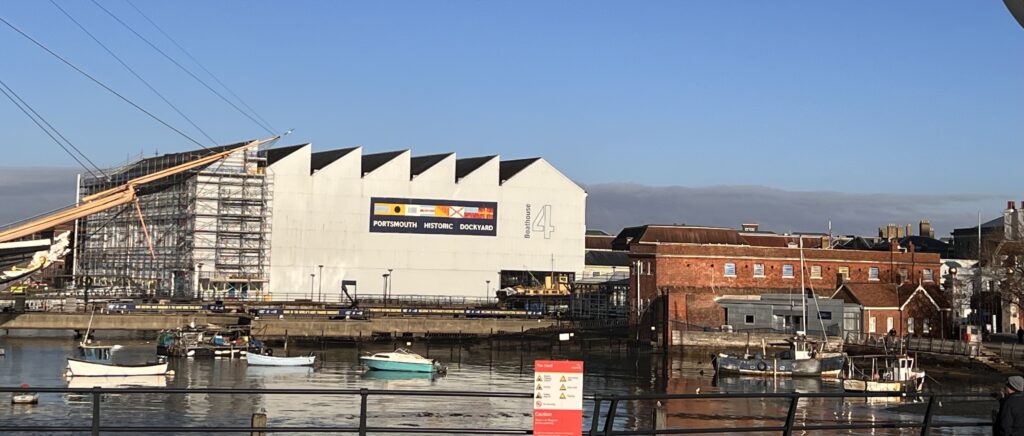
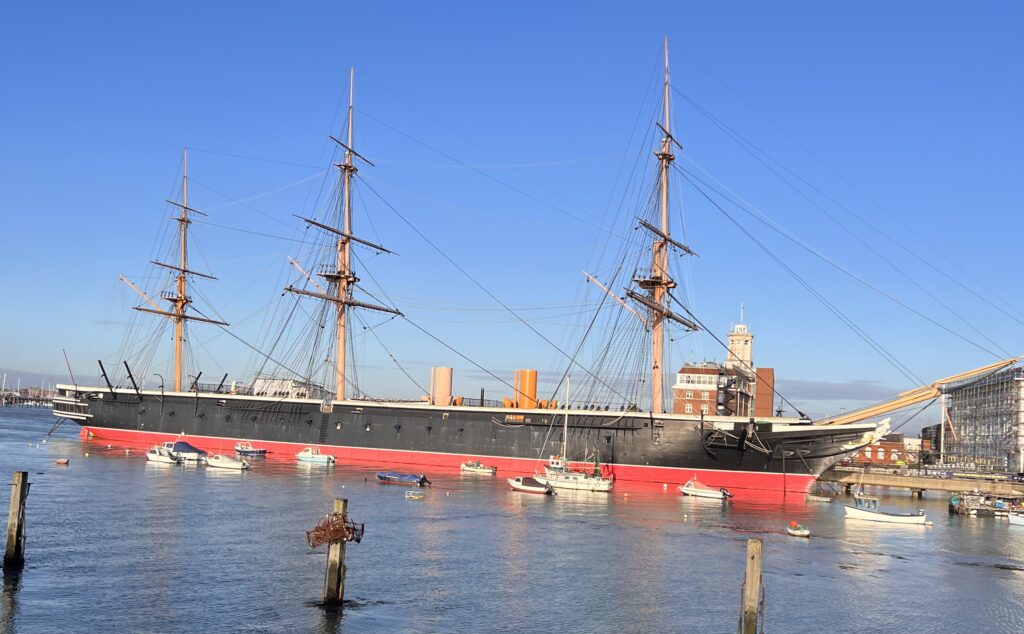
As the National Museum of the Royal Navy (NMRN) progressed their sustainability ambitions, they recognised the need to gain a clearer understanding of their carbon emissions data. Existing reporting processes relied heavily on spreadsheets. This made it difficult to identify data gaps, monitor performance efficiently, and uncover opportunities for improvement.
At the same time, NMRN were planning to transition their carbon accounting into a more interactive Power BI platform. To ensure the success of the new system, Mortice were appointed to deliver a comprehensive review of their existing carbon data, and equally develop a robust carbon data strategy.
Our Approach
Mortice began by working closely with the finance team to collate and review existing energy and carbon data. This was to gain an understanding of the organisation’s current reporting processes and data management procedures.
A detailed desk-based audit was then undertaken, supported by extensive stakeholder engagement across the organisation. Through workshops and discussions, we identified how carbon and energy data was being collected, where inconsistencies or gaps existed, and what future reporting requirements would look like.
The project focused primarily on Scope 1 and Scope 2 emissions, alongside relevant Scope 3 travel emissions. We reviewed current emissions reporting against raw source data and the 2022/23 baseline to assess data quality, accuracy and completeness.
From this analysis, we developed a gap analysis that highlighted opportunities to improve carbon accounting processes and strengthen future data collection. These recommendations also outlined options for new processes in line with the new Power BI dashboard planned. We also identified further energy efficiency opportunities and practical improvement measures, outlining both carbon reduction benefits and wider organisational co-benefits.
The findings were consolidated into a detailed outcomes report, providing NMRN with a clear carbon data strategy and future reporting process that will significantly support more effective emissions management and informed decision-making.
Find out more:
Professional Services Consultancy Framework for the British Museum
Facilities Management Procurement with Natural History Museum

Operational Readiness for the Victoria and Albert Museum
Sustainability Strategy with Imperial War Museum

Operational Readiness with Fashion Museum Bath